AI Has an Environmental Cost. Here's What We're Doing About It.
We love what AI can do for video production. It's let us create work that would have been impossible — or impossibly expensive — just two years ago. Cinematic visuals without location shoots. Fourteen-language rollouts from a single script. Visual effects that used to need a Hollywood budget.
But we're not naive about the trade-off.
Every AI model run, every render, every frame of generative video is powered by data centres consuming serious amounts of energy. The compute behind a single AI-generated sequence can draw more electricity than a traditional edit suite uses in a week. And as an agency that's built its future on these tools, we think it's on us to do something meaningful about that.
Introducing BearJam's Nature Impact Contribution
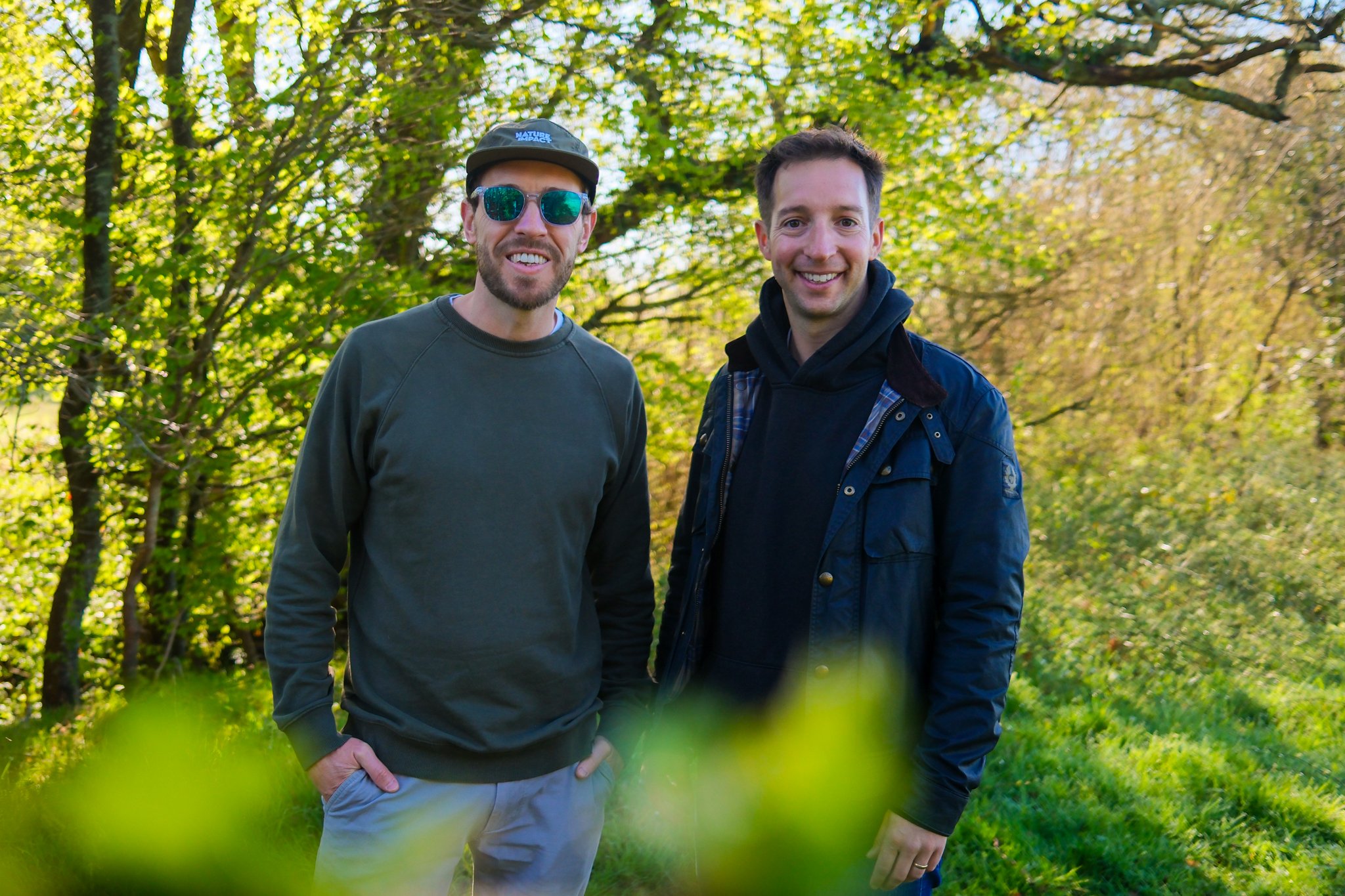
Starting today, every AI-driven project we deliver includes a dedicated contribution to UK biodiversity restoration through our partnership with Nature Impact.
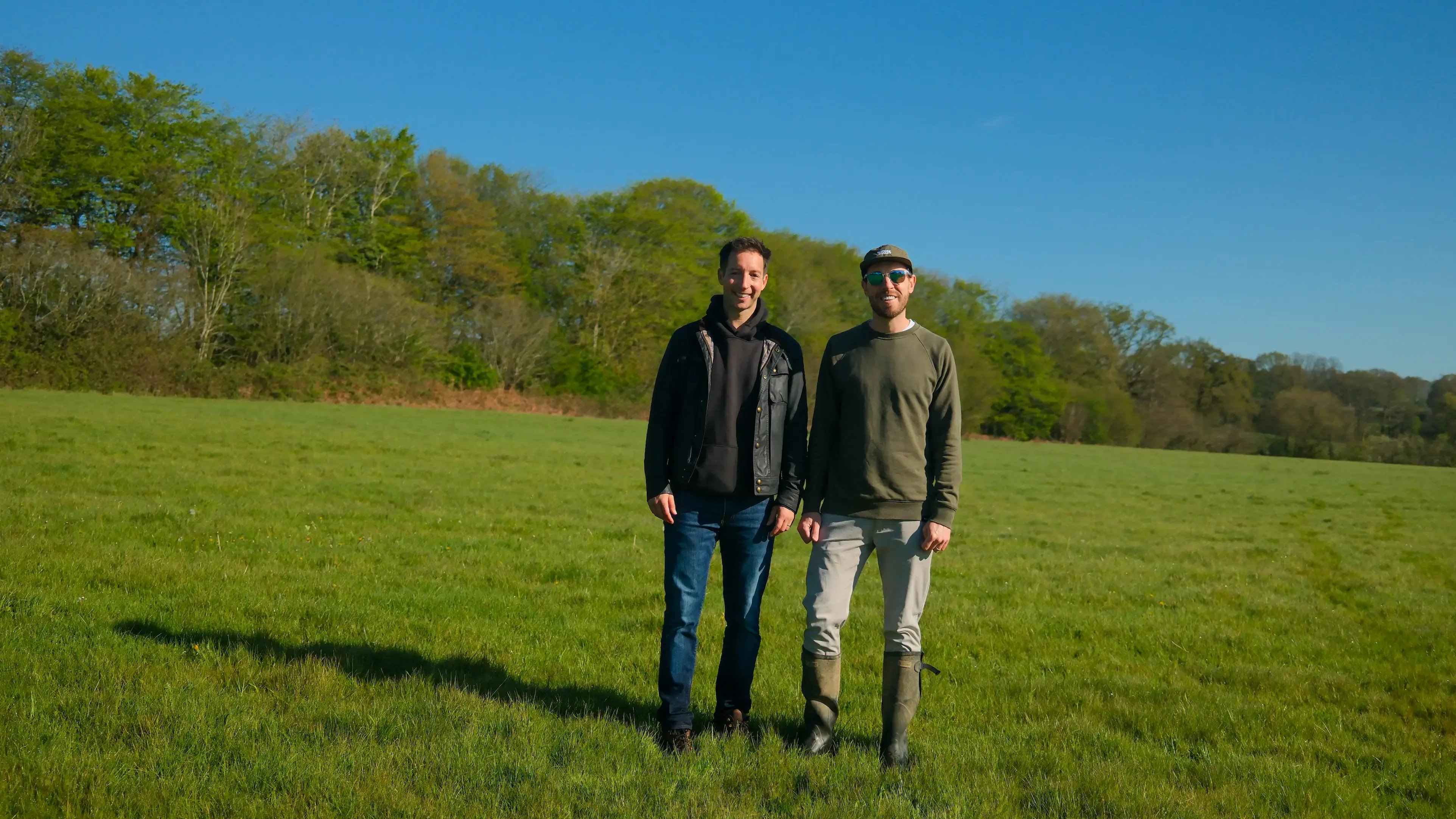
Nature Impact operates habitat banks across the South East of England, transforming underproductive land into thriving ecosystems — wildflower meadows, native woodland, restored hedgerows, and connected wildlife corridors. Their work is funded through the UK's Biodiversity Net Gain (BNG) framework, the world's first statutory market for biodiversity, and every project is science-backed, independently verified, and secured for a minimum of 30 years.
We're allocating a portion of every AI production budget directly to Nature Impact's habitat restoration projects. It's built into our pricing, not bolted on as an afterthought.
Why biodiversity, not carbon credits?
We looked at the carbon credit market. It's well-established, and there are good schemes out there. But we wanted to do something with a more tangible, local impact.
BNG credits fund the physical restoration of land in England. You can visit it. You can see what's growing. The outcomes are measured, monitored, and reported over decades — not estimated from a spreadsheet.
There's also something we find compelling about the connection: AI production relies on global infrastructure — cloud servers, GPU clusters, undersea cables. Our response invests in something hyper-local — actual land, actual ecosystems, a few miles from where we work.
What this means for our clients
Nothing changes about what we deliver or how we deliver it. The contribution is built into our project pricing as a standard line item. You'll see it on every proposal — transparent, not hidden.
What you get is the knowledge that your project isn't just creating brilliant content. It's funding the restoration of UK habitats at a time when England remains one of the most nature-depleted countries in the world.
Why we're not calling it "offsetting"
Because it isn't, and we'd rather be honest than impressive.
We can't draw a precise line between the compute energy a project uses and the biodiversity gains Nature Impact delivers. That's not how BNG works, and pretending otherwise would be greenwashing.
What we can say is this: AI production has an environmental cost, and we're making a direct, measurable investment in nature every time we use those tools. We think that's a better story than a vague carbon-neutral badge.
What's next
We'll be publishing an annual impact summary — how much we've contributed, which habitat projects we've supported, and what's been restored. We want this to be accountable, not performative.
If you're a client, you'll see the Nature Impact Contribution on your next proposal. If you're a fellow agency or production company and you want to do something similar, get in touch — we're happy to share what we've learned.
This industry moves fast. The tools are extraordinary. But the least we can do is make sure the land beneath our feet benefits too.
BearJam is an award-winning, AI-first video production company based in London. Nature Impact is a UK habitat bank operator delivering Biodiversity Net Gain across the South East of England.