The Real AI Divide Isn't Tools, It's Taste
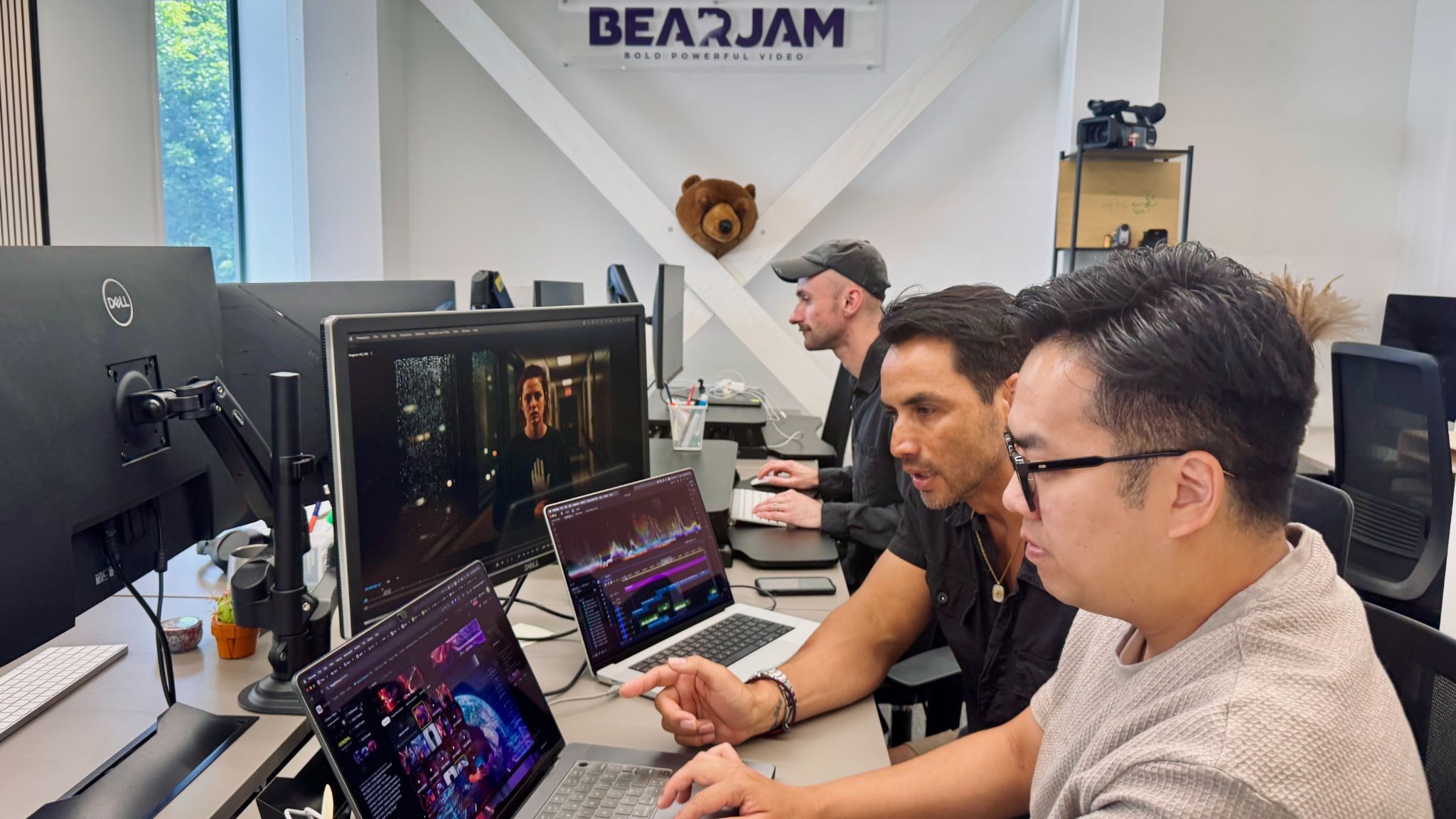
With AI video tools now rapidly adopted by brands, agencies, and creators alike, we believe access to the technology is no longer what separates standout work from forgettable content; creative judgment is.
AI-generated content is on the rise, and consequently, the term “AI slop” is becoming increasingly common. It reflects the sameness and formulaic visual style audiences often associate with low-quality AI-generated content.
This is a result of over-reliance on tools and prompts. Many companies now have access to all the right tools, but don’t necessarily have the knowledge or creative judgment to execute content at a high standard that resonates with audiences.
So the problem is not the barrier to AI. It’s the barrier to quality that many teams still face.
At BearJam, this is our belief when it comes to creating AI video content. Having worked on various campaigns using AI for well-known brands like KGM and SD Worx, we know that sheer access to tools isn’t what makes a good video. It’s taste.
In creative video production, we define taste as:
- Real storytelling instinct
- Correct pacing
- Emotional intelligence
- Visual judgment
- Knowing what not to include
- Not letting AI be the director
- Understanding audience response
- Knowing when and when not to use AI
This belief is reflected in our evolving team structure. We recently appointed Brick Ng as AI Architect, a role designed to bridge creative production and AI technology while keeping human direction central to the process.
At BearJam, AI is a huge part of our growing success within the video production industry, but human creativity will always remain our priority.
James Hilditch, founder and creative director of BearJam, says:
“I’m genuinely excited by what AI has done for our industry. It’s opened up ideas we couldn’t have afforded to make a few years ago, sped up the parts of production that used to slow everyone down, and given smaller brands a real shot at ambitious work.
That’s a good thing, and we lean into it every day. But it comes with a catch.
The easier it gets to make video, the easier it gets to make forgettable video. When teams let the tools do the thinking, you end up with content that’s technically fine and creatively empty, and audiences notice every time.
So our priority hasn’t shifted. AI takes on more of the heavy lifting each month, but the storytelling, the pacing, the decisions about what actually moves someone, those stay human.
That’s the part that makes a video worth watching, and it’s the part we won’t hand over.”
As production agencies receive more AI briefs due to the growing demand for cheaper and faster content, the pressure to deliver quickly and in large volumes will continue to mount.
Agencies that rely heavily on AI tools will find that poor video still performs poorly, which is not only detrimental to their reputation but also to the brand they’re working for.
Audiences expect originality, personality, and authenticity from brand content. As AI-generated content without human direction becomes more common, generic visuals become easier to spot, easier to ridicule, and easier to distrust.
The risk isn’t that companies will fall behind without using AI for their videos; everybody is using it. It’s that they’ll all start looking the same without professional creative judgment, diminishing the authenticity audiences crave.
For BearJam, the future isn’t more advanced AI tools that take humans out of the process; it’s hybrid creative workflows, AI-assisted production, and human-led creative direction.
“AI will keep getting better. That was never the question. The real one is whether you’ve still got someone with taste deciding what to point it at.” – James Hilditch